
Action Without Action
When translated into Chinese, Wu Wei Si. I recently came back to civilization from staying two weeks at the Wu Wei Si Shaolin Monastery in the mountains of Dali, China.
I needed a change in my life. The only thing I knew were that I wanted to get away from my hectic lifestyle and think about where I wanted my life to go, without any distractions. Combine this with my passion for martial arts, and Wu Wei Si was a perfect fit.
There is no way to find the exact location of the monastery so you have to ask around once you get to Dali. It ended up being about a four-mile (6.5 km) walk from where I was staying. When you get to the temple, you then have a long climb of stairs to get to the top. While sounding tough, especially with a big backpack, it was the most beautiful, peaceful walks I’ve ever taken.
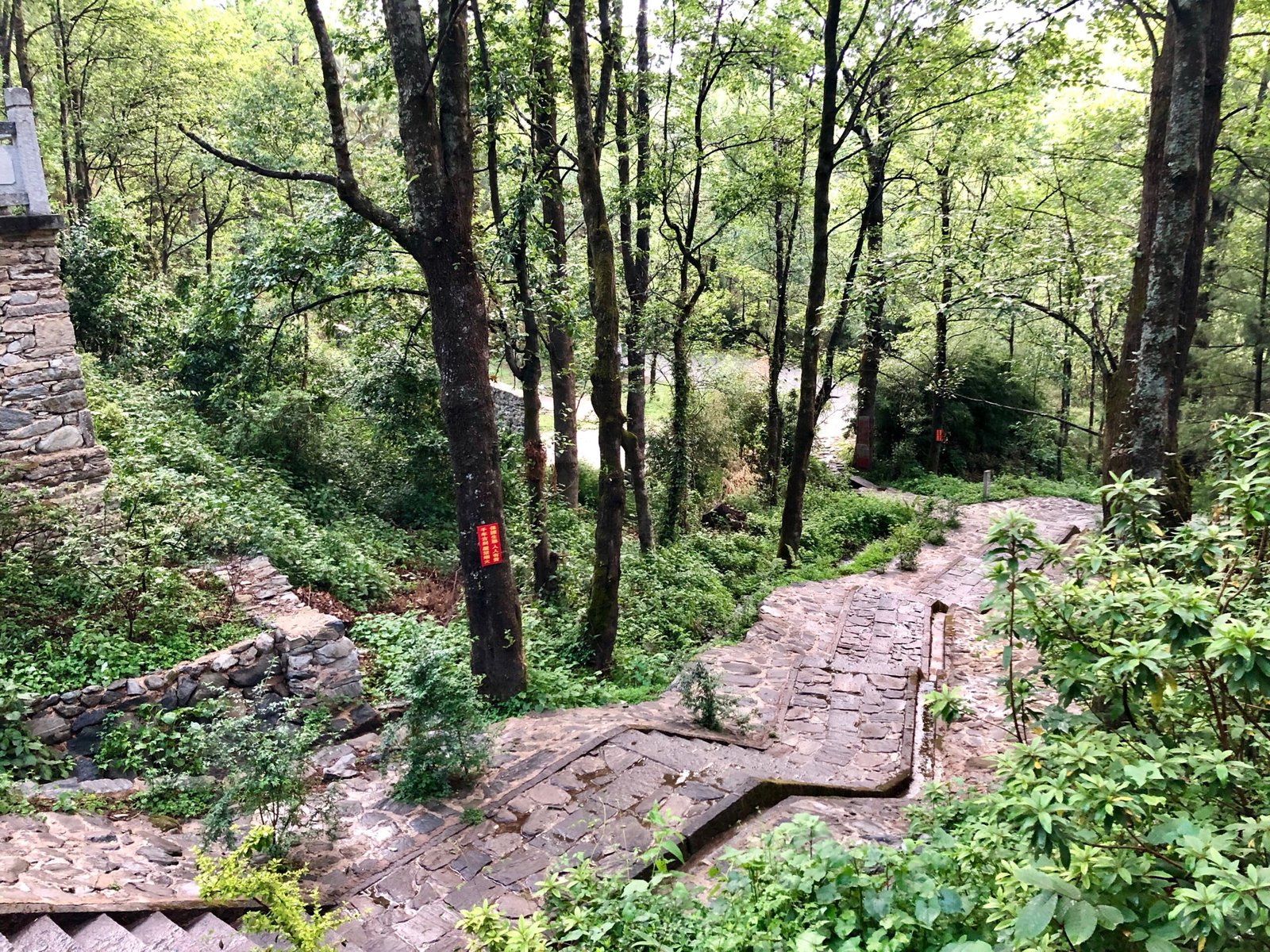


I got to the monastery on Friday afternoon, which was recommended since there is no training that day. That first night was somewhat overwhelming. When I arrived, I met one of the teachers, who didn’t speak any English, and he handed me a list of rules (written in broken English, paraphrased here from memory):
- Be respectful of others in the monastery
- No smoking, drinking, playing cards, or playing music
- Always say Ami Tuo Fo (a form of blessing) when you see Shifu (the master)
- Do not be late for training or meals
- If training is not what you expected, you are free to leave at any time
- At meals, sit straight and hold your bowl in your hands while eating
- Do not eat until Shifu starts eating
- You must eat everything in your bowl; if you drop any food, you must eat it (table or floor)
- Do not talk at meals
- Do not lose your bowl or chopsticks (you receive them at the beginning and keep them in your room)
- If you do not respect the rules, you will be asked to leave
Of course, when being walked to my room, we pass Shifu, and my mind didn’t even register who it was. So within ten minutes of me being there, I already broke the most important rule… Don’t worry though, the monk gave me a scolding, and I never missed another Ami Tuo Fo! When I got to my room, I had a few minutes to regroup before dinner, where I met the other five foreigners who were there at the time. It was a relief, and they whispered to me what to do and how to eat.
The monastery eats a strictly vegan diet and their water comes directly from the natural springs in the mountains. There were a lot of vegetables and tofu cooked in a good amount of oil, which was served “family style.” And of course, you cannot forget the staple, an unending flow of rice! While I am definitely a meat eater, the food was amazing!

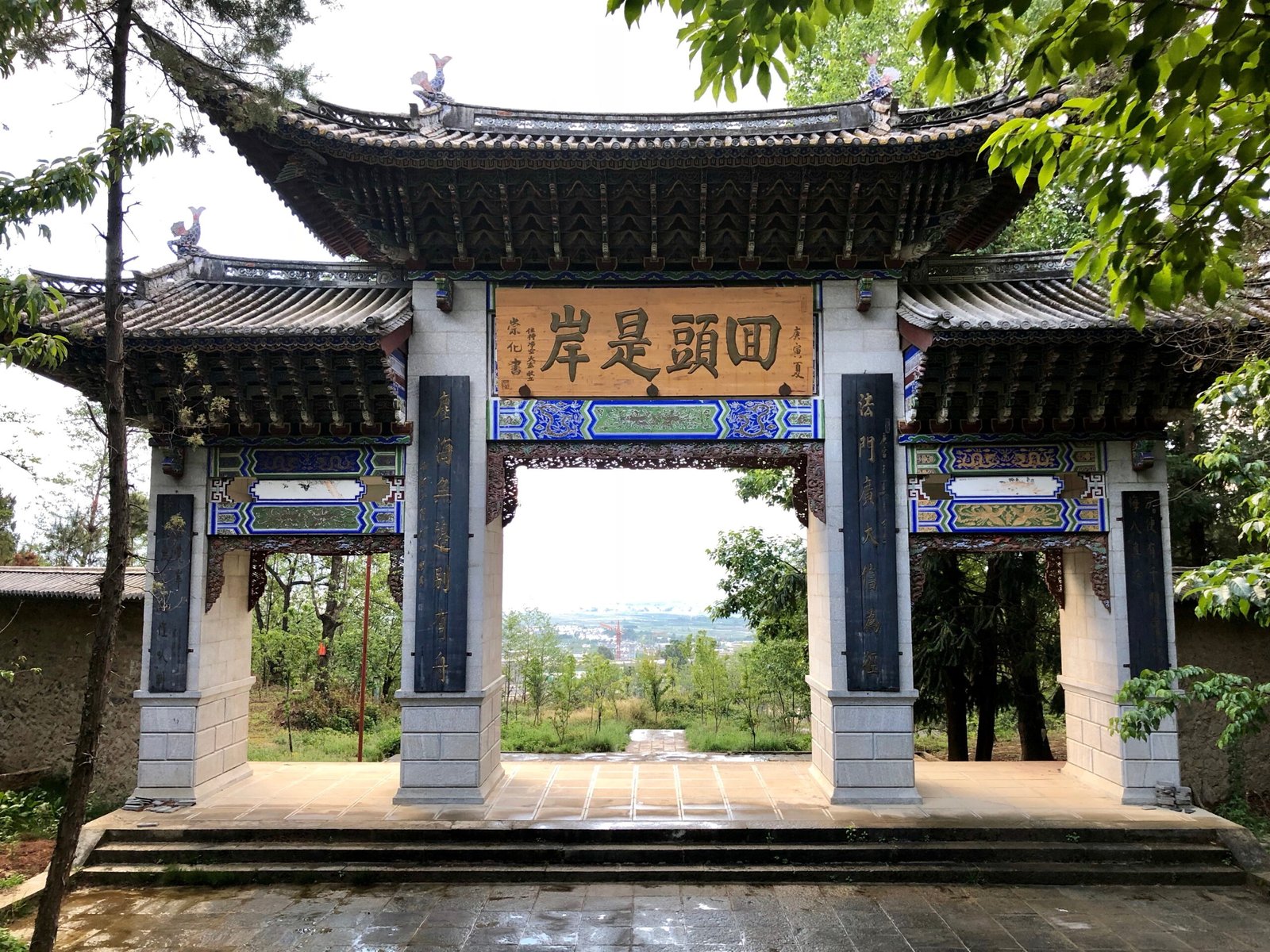


The monastery is all about simplicity, routine, and discipline. We had the same schedule every day, and it was actually nice having my mind completely free. This was our schedule:
- 5:30am – Wake up – The monks start chanting and banging loud gongs.
- 6:30am – Run & Posture Training – Run to the river (about a mile away) and then walk back balancing a rock on your head.
- 7:30am – Kung Fu Warm-Up – Stretch and/or review moves from the previous day.
- 8:00am – Breakfast – Always a type of noodle/soup dish, except every four days we got these amazing buns filled with vegetables or jam called Baozeu.
- 9:00am – Kung Fu Training.
- 12:00pm – Lunch – Always rice, vegetables, tofu, and soup.
- 12:30pm – Free Time – I spent this time walking through the monastery, talking with the other foreigners, meditating, reading, and having tea at a nearby tea house.
- 4:00pm – Kung Fu Training.
- 6:00pm – Dinner – Again, always rice, vegetables, tofu, and soup.
- 7:00pm – The monks had their second prayer, so more loud chanting and banging gongs; we were welcome to join, but it was intimidating and we often watched from the sidelines.
- 9:30pm – Silence and Lights Out.
As in most kung fu monasteries, the Shifu comes up with his own forms and techniques for the monks to learn. A form is a series of attacks and blocks that each student masters in sequence. Each day, kung fu training started with a ton of stretching, some massaging to loosen up the muscles, and warm-up exercises.
We then moved on to mastering the various forms being taught. We were constantly yelled at with a, “No like Dees!!” and “Sweetch Leg!!” and “Prak Teese!!” It was very overwhelming at first, just like when I missed Shifu on the first day. But soon I started to understand the culture. First, the Chinese language is a lot more direct than English. To add to that, the teachers only knew a few words in English. Must have been frustrating… As I got to know them better, I realized this was simply a cultural difference, and they were in no way being rude.
In my two weeks, I got through two basic forms and half of a weapons form. The most difficult part of training for me was patience. I always wanted to progress on to the next move, but we couldn’t until it was perfect. I realized this has also been true in other parts of my life, always wanting the next thing. This training helped bring me awareness so that I can hopefully relax and respond differently in future situations.
At the end of the day, Wu Wei Si is pretty much what you would expect monastery life to be like, except for two things. One, monks are not boring silent people, they are really just like anyone else on Earth. They laugh, make dumb jokes, and whisper and giggle at dinner only to have Shifu shush them. Second, just because monks live in isolation does not mean they disregard all technology. And, it really doesn’t make sense to think that! They had hot water warmed by solar panels, and Shifu even had a cell phone! Now that was a sight to see – hearing a phone ring and Shifu picking it up laughing with a friend!
And that’s what it’s really all about. Shifu is there to connect, provide wisdom, and help anyone that is looking for guidance, the best way he can. People come to him from all over the world just to sit with him, and some even come to talk through life-changing decisions, such as in business and relationships. Even though I didn’t understand a single word, I enjoyed sitting with Shifu while he talked to people, attempting to soak up all his wisdom.
Ami Tuo Fo

When translated into Chinese, Wu Wei Si. I recently came back to civilization from staying two weeks at the Wu Wei Si Shaolin Monastery in the mountains of Dali, China.When translated into Chinese, Wu Wei Si. I recently came back to civilization from staying two weeks at the Wu Wei Si Shaolin Monastery in the mountains of Dali, China.I’m happy to answer any questions about my experience! Just let me know in the comments below!



Leave a Reply to Joseph PidalaCancel reply